
The 1% Decline
Why You're Getting Worse Without Realising It


Welcome to The Sunday Deep Dive.
This one might be uncomfortable to read.
Most newsletters make you feel good. Inspired. Motivated. Ready to conquer the world for approximately 48 hours before returning to the same patterns.
This one holds up a mirror. And the reflection might not be what you want to see.
Today I’m exploring why most people are quietly getting worse whilst believing they’re staying the same. Why the “reasonable” choices you’re making daily are compounding against you. Why the life you’ll have in five years is being shaped right now by declines you can’t even see.
If you’d rather feel good than face reality, skip this one. But if you’re ready to see where you’re actually heading, not where you think you’re heading, keep reading.
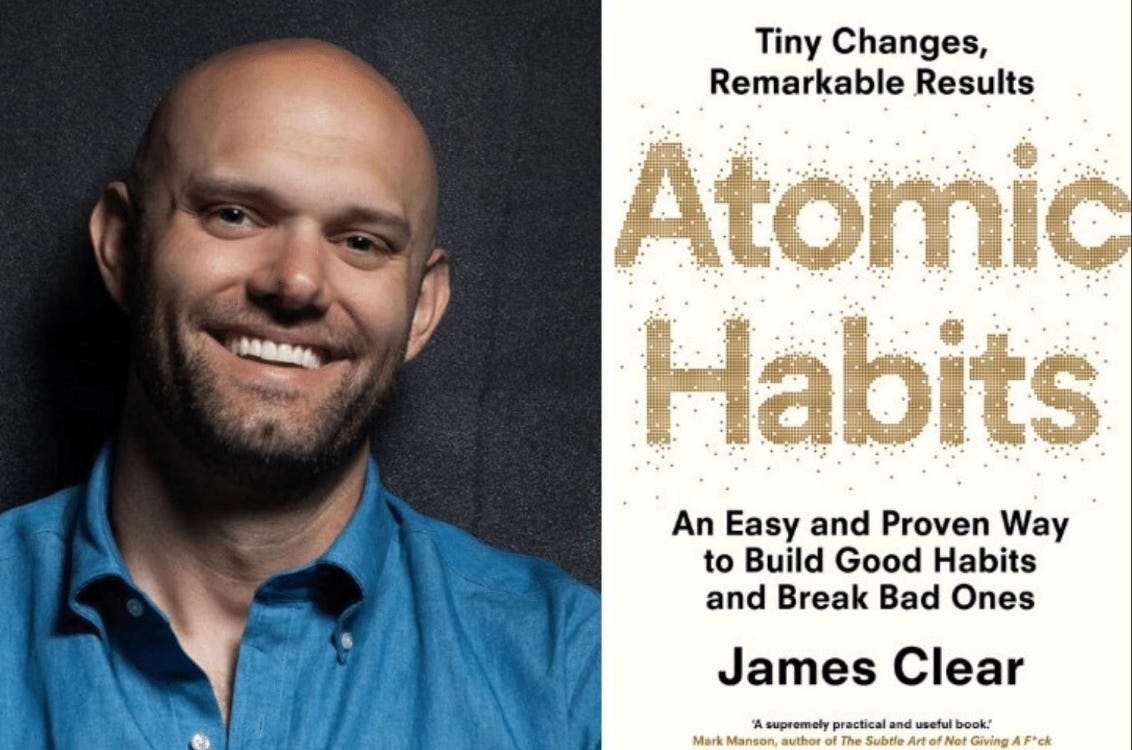
In 2018, James Clear published Atomic Habits and introduced an idea that changed how millions of people think about improvement.
The concept is simple: habits are the compound interest of self-improvement. Small daily improvements accumulate over time into remarkable results. If you get 1% better each day for a year, the maths works out to being 37 times better by the end of it.
Clear illustrated this with the story of British Cycling. Dave Brailsford took over a team that had won almost nothing in 100 years and obsessed over “marginal gains.” Better pillows for sleep quality. Rubbing alcohol on tyres for better grip. Heated shorts to maintain muscle temperature. Dozens of 1% improvements that seemed insignificant in isolation.
Within five years, British Cycling dominated the Olympics. Within nine years, they won the Tour de France. The same riders, the same sport, completely different results. All from accumulated 1% improvements.
Clear’s insight was groundbreaking. It became the foundation for how an entire generation thinks about habit formation. “1% better every day” turned into a global movement. Books, courses, apps, coaching programmes. All built on this single principle.
This newsletter is my perspective on something the productivity industry ignores completely…
The maths works both ways.
Get 1% better and you’re 37 times ahead. Get 1% worse and you’re left with almost nothing. Same force. Opposite direction. Completely different destination.
The same compound force that creates transformation also creates deterioration. The same invisible accumulation that builds champions also builds mediocrity.
And most people aren’t compounding improvement. They’re compounding decline. Slowly. Invisibly. Daily.
The Invisible Erosion
Nobody wakes up one morning suddenly unfit, unfocused, and unfulfilled.
It happens gradually. One compromised choice at a time. Each one insignificant. Each one compounding.
The 1% decline doesn’t announce itself. It disguises itself as reasonable choices:
“I’ll skip training today, I’m tired.” (1% decline in physical capacity)
“One more episode won’t hurt.” (1% decline in sleep quality)
“I’ll just check email before starting real work.” (1% decline in focus capability)
“I deserve this drink after the week I’ve had.” (1% decline in stress tolerance)
“I’ll start that project next week when things calm down.” (1% decline in momentum)
Each choice feels justified. Each choice is barely noticeable. Each choice compounds.
A year of these “reasonable” decisions and you’re not 1% worse. You’re dramatically worse. But because the decline happened gradually, you’ve adjusted your expectations downward to match. Your new normal feels normal.
This is how people wake up at 40 wondering what happened to their ambition. At 50 wondering where their health went. At 60 wondering why they feel like they never really lived.
The 1% decline stole it. One invisible day at a time.
My 1% Decline (Before the Reversal)
I know this pattern intimately because I lived it for six years.
The drinking didn’t start as a problem. A few drinks on the weekend. Normal. Social. Reasonable.
But each weekend reinforced the pattern. Each drink made the next one easier. Each hungover Sunday made Monday harder. Each compromised week lowered my standards for what a good week looked like.
I wasn’t declining dramatically. I was declining 1% at a time.
My fitness eroded gradually. Not through injury or illness. Through accumulated skipped sessions and lowered expectations. “I used to train” became my identity instead of “I train”
My business consumed more hours each year. Not because it demanded more. Because I’d stopped protecting boundaries. Each “yes” to low-value work made the next one easier. Each blurred evening made the next one more likely.
My presence with my family diminished slowly. Not through dramatic absence. Through accumulated distraction. Phone checks during dinner. Half-listening during conversations. Being physically there but mentally elsewhere.
None of this felt like decline whilst it was happening. It felt like life. Like normal. Like what everyone does.
That’s the trap. The 1% decline feels like reality. Until you realise you’ve compounded yourself into a life you never consciously chose.
The Asymmetry Nobody Discusses
Here’s what makes the 1% principle unfair: decline is easier than improvement.
Improvement requires intention. Decline happens by default.
Improvement requires energy. Decline costs nothing.
Improvement requires discomfort. Decline feels comfortable.
The path of least resistance leads to 1% decline. Every time. Without exception.
This is why most people, despite reading the books and understanding the concepts, still compound negative. The force of default is stronger than the force of intention.
Getting 1% better requires active choice. Getting 1% worse only requires not making a choice.
Scroll instead of read. React instead of respond. Consume instead of create. Comfort instead of challenge. Busy instead of productive.
None of these require decision. They’re what happens when you don’t decide.
This is a paid subscriber deep dive. Upgrade below to keep reading.
What follows is The Erosion Detector: a systematic process for identifying where you’re compounding negative and how to reverse direction. Not by adding more habits. By stopping the invisible erosion that’s already happening.
Check out the Rewired Premium Content Library to see everything that unlocks when you upgrade.
Upgrade to paid to keep reading →
Keep reading with a 7-day free trial
Subscribe to Rewired to keep reading this post and get 7 days of free access to the full post archives.